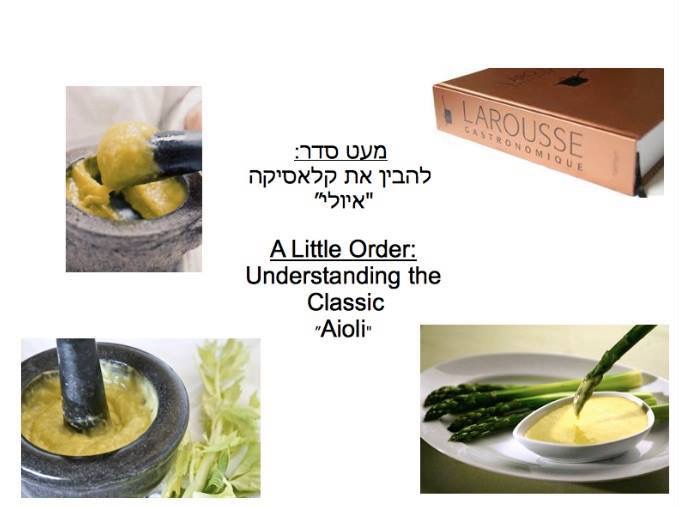
Tip/ guidance to the young chef Mayonnaise vs Ailoli  


A Little Order in the Kitchen:
In times when so many young cooks are entering the culinary world, in a world that the culinary theme has developed in meteoric fashion in the last ten years, but not always in an orderly fashion. Thus, in the short time that I have, I try to make a little order, especially with regards to concepts that we tend to use on a daily basis.

A lot of the time, names, concepts, and methods are taken out of context, and I’m dedicating today to a few words on—aioli.

It occurred to me many times that many cooks treat aioli like mayonnaise, and, in point of fact, aioli has turned into another name for mayonnaise .

Correct, there are similarities between the two. First of all, both are emulsions, and in this case they are “cold emulsions” (an emulsion is a mixture of fluid and fat combined into an homogenous texture by external force such as whipping ). Classic aioli (generally, when I refer to the concept of “classic,” I mean how the concept appears in Encyclopedia Larousse, or something similarly important) comes originally from the name ailoli, composed from two words combined together—ail (garlic) and oli (oil), which is a classic Provencal sauce.
At the end of this post, you will find a link to a clip that describes the preparation of classic aioli using a mortar and pestle. The ingredients are garlic, yolk, salt, and oil; it is important to note that yolk does not appear in classic aioli recipes, but many add it in order to make the work easier.
I personally prepare it without yolk, and it works excellently, with a smooth texture (when it is made using an electric instrument such as a hand blender or bench blender ) and stability for a long time. It is also important to note that there is no longer any need for a mortar and pestle, since we have today a number of excellent machines that can do the work. But as usual, once you understand the method you can use whatever instrument you please…
There is no end to variations upon aioli, but I thought it was important here to make a little order in our kitchen so that you would understand the basics—from here you can fly wherever you would like.

Thanks for reading,
Michael

Here is the link to the video: https://www.youtube.com/watch?v=DijkejQ5cWA

Posted in cooking, kitchen, kitchen techniques, sauces, Uncategorized | Tagged , , , , , , , , , , , , , , | Leave a comment

Tips and Advice for the Young Chef: Fish Stock


have a few minutes respite, so I’ll quickly try to upload something before the start of the evening service.

I asked my cooks to see the movie “The Hundred-Foot Journey,” an emotional and beautiful movie that tells the story of an Indian chef who arrives in France and begins to grow thanks to a wonderful mentor.

The movie discusses often the need to understand the basics, and after seeing it they came to me with a number of questions, such as what velouté sauce was, and more…so we went back to the basics and on today’s list was fish stock.

A few words on stock: a number of times, I’ve heard from young cooks that stocks are passé, unnecessary, and worse.

When I asked them how to make a stock, they had no idea. So the conclusion that it is passé comes from the unfortunate fact that many haven’t learned and don’t know how to make use of them.

A good stock—has no smell and is clear, even if it is a brown stock, and has only a small aroma which ought to remind you what composed it.

The following recipe, which I find really important to pass along to my staff and to you, I have used for more than 24 years, and the chef from whom I received it has used it for 65 years.

When I asked Basso (the chef who taught me) why we put only one bay leaf in such a huge pot, his answer was that he had done so for 40 years (when I met him, which was also when he had been awarded two Michelin stars already), the chef who had taught him had done so for 60 years, etc…so in other words, there are an endless number of ways and methods, and this one works nicely, so do whatever you want.

In time, I will try to prepare and post different recipes that use fish stock in order to illustrate its importance.

In  general it’s common to use  flat fish like turbot, Barbue, Dover sol, and more…why? Because they are very rich in a protein called gelatin, which gives a wonderful texture to sauces, but its not always possible to get your hands on great quality bons , but almost any fish will do a good job —this is from my experience, and I am sure good cooks and chefs will comment here with different ideas from their own experiences, and that will be interesting.

What is true—salmon bones/skeletons are less commonly used, for the simple reason that chefs love clean stock—and salmon bones color the stock a little—but once you’ve internalized how to make the stock you can use whatever you’d like.

Of all the stocks that can be made, fish stock takes the shortest time, only around 20 minutes.

The first stage—soaking the fish in water and continually replacing the water in order to clean the bones of hemoglobin and the last vestiges of blood—they congeal and cause turbidity in the stock.

The second phase is preparing the ingredients—everything is eyeballed, so I’ll simply write what we used:

1 sliced onion

2 sliced celery stalks

2 peeled lemons (without the rind nor the white pulp), sliced to a thickness of 5mm (someone who wants to be stringent can remove the seeds)

½ teaspoon of salt—in stocks, you almost never use salt because they undergo cooking and various reductions so their natural salt concentrates.

250ml dry white wine

Around 6L warm water

Around 2kg of clean fish bones

1 Bouquet Garni (a bundle of bay leaf, fresh thyme, parsley stalks; we tied them, but in this case because everything was strained we could have simply thrown everything inside).


We also melted a little butter into the pot—as little fat as possible; why? Again, in order not to muddle the stock.

We steamed the onion and celery—for a very short time and without giving any sort of burnt coloring in the pot. Why? A short steaming is in order to give a very fresh taste (the more you reduce the vegetables, the more the stock will have a deeper character). Why without browning? We want a light stock.

On top of the vegetables we organized the fish carcasses in a flat manner, on top of which we put the lemon and the bouquet garni.

Why flat? Because the next step is the addition of the white wine and steaming it covered for 3 minutes, which will allow for a uniform steaming of the carcasses. This stage has the additional important role—steaming with wine also locks in the fish’s proteins, which will thus not muddle the stock.

Now we add the water—I was always taught that fish stock was differentiated from beef and poultry stock because hot water was used—I don’t really remember the reason, but if I recall correctly, it releases flavors more quickly—the hot water breaks apart the fish carcasses and releases the gelatin and other flavors more quickly (don’t hold me to my word here!).

The next step is cooking the mixture on low flame, uncovered—and this is true for an stock. Why? Chefs love eye contact with their stock because they are always afraid it will boil—boiling is the worst thing to happen to a stock…again, as you guessed, because it can muddle it.

Secondly, it is very important to skim the broth—again, as you guessed, so you can have a clear broth. Anyone who doesn’t care about that can skip the step.

After twenty minutes, smell the broth—it should have a quiet but wonderful aroma of fish.

Strain and preserve it for use.

The pictures below  appear in the order in which they were prepared, and here is an explanation of each step.

Also In the pictures, you can see an additional optional step—I brought the stock to boiling, because it allowed me to remove the remains of the fat and proteins—other chefs prefer to chill it overnight in the refrigerator, because then the fat floats and it can be skimmed cold or strained.

Now all that remains is learning what to do with your fish stock, and here the sky is the limit.


I hope this helped!


Thanks for reading,


Michael

Posted in chef, cooking, cooking school, fish, kitchen, Uncategorized | Tagged , , , , , , , , , , , , , , , , , | Leave a comment

Tips and Guidance for the Young Chef: Making Some Order in the Kitchen—Ceviche vs. Tartare


many cooks, chefs and  customers around the world are more and more  connected to foods dishes  composed of raw fish, despite the fact that the difference between raw and cured fish is not always clear—even to many cooks. Since the distinction is not always clear, I thought it would be good to give a short explanation of the difference between ceviche and tartare.


Ceviche: The idea behind ceviche is, essentially, the pickling of the raw ingredient in something acidic—the immersion in an acidic ingredient increases the shelf life of the raw food and provides a different eating experience from eating it raw by softening it.


Ceviche is composed mainly of fish and seafood marinated and cured in lemon juice (there are many variations, but for the moment we will focus on the basics)


In a nutshell:

The process of curing  something of animal origin, whether it be fish or meat, in an ingredient of high acidity, is actually a cooking process.


Take, for example, an egg: at 63°, the protein begins to congeal, and at 68°, the yolk begins to congeal. In the words of my scientific friend, Na’ama HaLevi, “heat causes the disconnection of weak bonds in the protein molecules that make up the egg, thus changing its spatial structure; this is an irreversible process—and acid has a very similar effect.”


Texture—proper ceviche (when I write here “proper” I really mean what is common) has a soft, melted texture, as opposed to tartare, which is more viscous, depending on the type of raw ingredient and the size of cutting.


The most popular ceviche—otherwise known as the classic ceviche—is the immersion of a raw ingredient (mainly fish or seafood) for between 10 minutes to 12 hours, sometimes more, in lemon juice  (or citrus juice ) )with a little salt. From personal experience, there is no problem with even more than twelve hours—the opposite in fact, sometimes you get very interesting  results (but this is to anyone personal opinion and desecration).

When the raw material is cured, the sky is the limit—you can create endless variations, such as: adding fruit, herbs, different vegetables, different sauces (such as mayonnaise), and more…


A little history: The general opinion is that ceviche originated in Central and South America, mainly in areas along the coast; there are those who consider Peru the origin—the best explanation can be found on Wikipedia.


Tartare is a dish made of a raw ingredient (originally meat) that is generally sliced with a knife only (there are also places that use a meat grinder).

Tartare is mainly served in its natural state, without any spices, and the customer him/herself flavors the tartare with ingredients that are served alongside; or the tartare can be served spiced and mixed with the ingredients directly. A good example is steak tartare in France, which is mainly served plain with an egg yolk on top surrounded by chopped cornichons (small pickled Gherkins), chopped capers, chopped parsley, and chopped, pickled pearl onions; whereas the Belgian variety has those ingredients mixed in with the meat, with the addition of mayonnaise.

It is important to mention that there is a significant different experience in tasting the texture of the tartar if it has been chopped by knife or grind  buy a meat grinder and the reason is that the meet grinder actually kneads the meat in the circulation movement and that provokes the proteins to tighten there bonds and become chewy thats why by chopping with a knife you do not get the tough texture some old schools restaurants there is still maitre dee that prepare the “steak tartar” in-front of the costumer. (here is a great explanation about the behavior of proteins)

Although most tartare dishes use beef fillet as the main ingredient, additional raw ingredients began to be accepted with similar preparation, and today you can find fish, vegetable, and fruit tartare, where the main idea is that a raw, fresh ingredient underwent chopping wit a knife.


A little history: the origin of the name tartare seems to be the Tatar (Tartar) tribe, a Mongolian tribe that was known for its ruggedness and its cruelty. An urban legend tells that pieces of raw meat were placed under their saddles so that after a long ride the meat was so soft that it could be eaten without being cooked. What does seem to be true is the fact that the word “tartar” became synonymous with the word “coarse,” from which “tartar” sauce got its name, because of its rough texture (mayonnaise mixed with chopped cornichons, capers, parsley, and pearl onions), and the name was also applied to the meat dish because of its coarseness.


Tartare appeared at the start of the 20th century in Parisian restaurants, mostly under the name “American Fillet,” mainly from beef or horse meat, though beef was the most common.


An explanation for steak tartare first appeared in Larousse Gastronomique in 1938.


Many restaurants sometime  serve fish tartare under the name “fish ceviche,” usually because of the fact they flavor it with a little lemon but actually serving tartar. (but in the end of the day who cares if it tastes good than the jb is done)


For anyone who wants to deepen their knowledge, here is a somewhat more detailed explanation by the scientist Naama:

The process that protein undergoes as a result of heating or acidity, for example, is called denaturation, in which the protein molecule changes its spatial structure by breaking some of the weak bonds in the molecule (folding). Denaturation and folding are different concepts from that of breaking apart the molecule and recomposing it into a new substance. The protein does not break apart. The process is also not exactly a change of state, as it is defined.


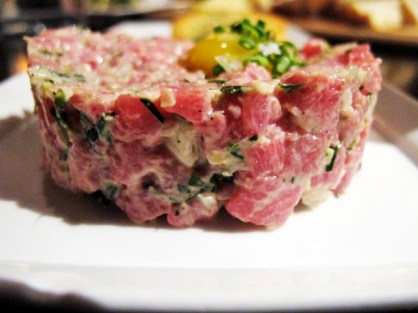
Here is a classic beef tartar (picture taken from the web)

steak_tartare2009_12_1714

credit :photo Frederique  Niel from @911 cheferic.com

Here is a classic Belgian style tartar (photo taken form the web)

russell_tartare

credit: dish by the Love Russell House Tavern’s credit for photo Just add cheese blog

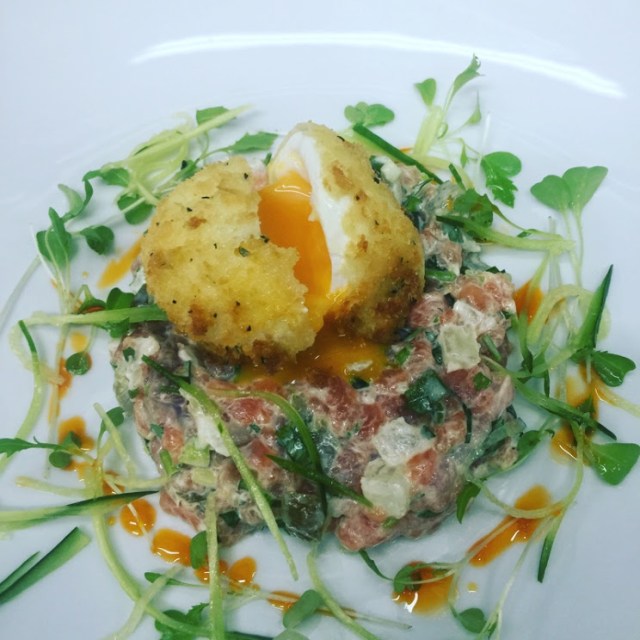
Here is a belgian tartar style made of salmon from my kitchen

IMG_0171

Here are few ceviche dishes from my kitchen


I hope that I managed to clear up some concepts in the kitchen for you.


Thanks for reading!


Michael

Posted in fish, Uncategorized | Tagged , , , , , , , , , , , , , , , , , , , , | Leave a comment

Tips and Direction for the Young Chef: Croquettes and More…


img_4815

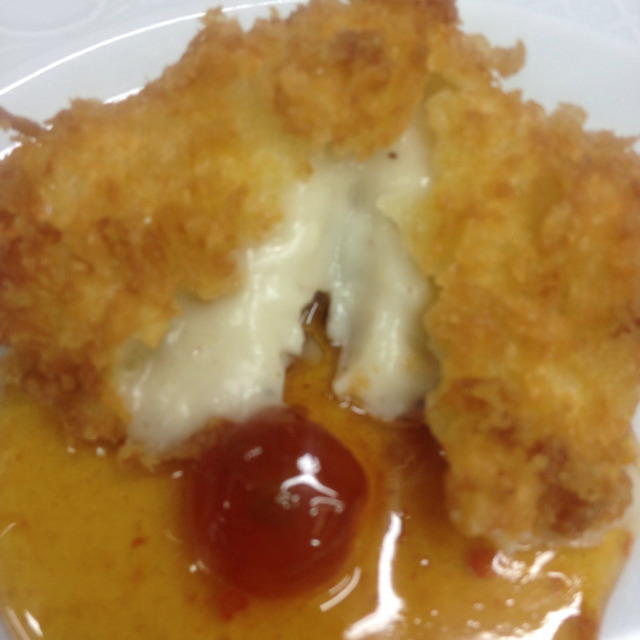
(above is a cheese croquette served with a cherry tomato jam )

Dear young Cooks (by age, by soul, and by profession),

I am repeating myself in order to emphasize that you need to invest more in studying techniques and foundations, and less in recipes, and here is a wonderful example.

In many kitchens and at almost every level in leading gastronomic capital,many countries as their version and it can be found across the globe.

A “croquette” dish is on the menu in some ways and varieties. This is a food that is crispy on the outside and gooey on the inside and usually is a wonderful comfort food for all.; it’s name “croquette” is loosely translated from the French for “crispy.”

Almost every respected and known chef has offered his own version,You can find a great number of modern versions created by  well-known chefs, such as Andrea Faria from the late famous and outstanding restaurant El Bulli , and many other good ones.


I personally still believe a lot in the original method as a study case and as a great method to introduce croquettes to the young chef / cook, and actually, I want to share in this post two things with you:

In this short blog  i want to introduce  to a great  method of preparing croquettes, and the second is to show you how one of the cooks on our staff understood the technique and created from it something wonderful—all by knowing the technique but not a specific recipe.


The idea behind the croquette is the base :

A roux (a quick reminder a roux is a paste made by melting butter or fat  and incorporating overheat  into it flour ) and milk.

To be more precise:

200g butter

200g flour

1 liter milk

(the classic spicing is—salt, nutmeg, and white pepper)


notice that that this is very similar to Bechamel (the difference is that the Roux in Bechamel is 20% of the milk wight  and for the croquettes  its 40% of the milk wight )

In many cases, you can add flavor to the milk ( infusing in tt vegetables, herbs, etc…)

so to continue…

You melt the butter, add the flour, and cook it until it is a homogenous roux.

You add the milk. It is VERY important that the milk start to boil with the rest of the ingredients; without the boiling, the fats will not combine with the rest of the ingredients.

Generally, for every liter of liquid (in our case, milk) you boil for a minute.

This rigid batter is the croquette base.

For the prepared mass (the base ) you add different ingredients, allow it to cool, and from it create the shape.

In our kitchen, we pour it into a 2cm-deep mould and cut it into cubes or pipe it using a piping bag.

Now that i hope this is clear here are some variations:

For cheese croquettes, we add around 400g of cheese for every liter of milk (personally i like camembert and  )

For mushroom croquettes—a mixture of cheese and mushrooms, and so on…

For shrimps croquettes i infuse the milk with shrimp carcass or use a bisque base instead of milk.

You can also take it in a sweet direction by adding dates and sugar…

The basic coating is: flour,  beaten eggs, breadcrumbs, But here too you can prepare different breadcrumb mixes, or use almond crumbs, cheese, and more…

The moment you understand the basics, the sky’s the limit…think for a moment about confit of goose croquettes, smoked salmon, and more…exercise your imagination!

Rachel  a cook on my team understood the technique and had some leftover beetroot  puree from other preparations.

Understanding the basics led her to prepare beetroot croquettes stuffed with choose.

We simply  mixed the puree with the croquette base, added a bit of Roquefort cheese, and coated them with a mixture of breadcrumbs, parmesan, and herbs.

One point to finish up…treat the milk as a “liquid”!!! And then you’ll be able to prepare croquettes from broths, beer, water, chocolate milk, orange juice, and every other liquid that you can think of.

here are some photos of the process :

This was written while at work, during the morning service and the rest of the regular, daily challenges.


Thanks for reading,


Michael

Posted in croquettes, Uncategorized | Tagged , , , , , , , , , , , , , | 3 Comments

Direction/Tip for the Young Chef: Understanding the Classic “soufflé vs chocolate fondant”

Lately I have noticed to many confusion between classic dishes so I  want to place a little order into terms connected with the culinary world, this time I want to reference the difference between  the “classic soufflé”  and the “chocolate fondant” for the reason that many young chef and restaurant confuse between the two and tend to refer to te choaocolate fondant as as souffle .

here is an example of a  soufflé  (my work) :


here is an example of a chocolate fondant (recipe is below):

In many establishment that i have visited , it was  very common to find   a warm chocolate cake (known as chocolate fondant / volcano cake) with a molten center—most of the time it is presented under the name “chocolate soufflé,” or sometimes “chocolate volcano,” or even more rarely under the name “chocolate fondant.”

In practice, it is referencing a dessert with a texture that reminds us a little of sponge cake with a liquid texture in the middle—in France, conventional wisdom claims that the invention was all thanks to the well-known chef Michel Bras, but…

Until the late 1980s—and it is possible to find this information in a variety of encyclopedias—the term chocolate fondant mainly referred to a very melted dessert that was entirely made of glucose, sugar syrup, egg yolks, chocolate, etc. Here is a a great recipe see also photo of result:

For the fondant:

  • 200r chocolate
  • 200gr butter
  • 4 eggs
  • 4 egg yolks
  • 200gr icing sugar
  • 55gr flour T55
  • 55gr cocoa powder


Chemisage (mould greasing):

  • Soft Butter (recommended 50gr)
  • 50gr sugar
  • 25gr cocoa powder

Method:

For the Fondant:

  • Melt chocolate and butter until smooth in a “Bain Marie” do not boil you can do it in a very low setting I a microwave.
  • Mix the egg yolks and eggs with sifted icing sugar and add to the melted chocolate.
  • Fold in the cocoa and flour into mix above.
  • Brush very well a metal ring or a ramekin (if using a ramekin place a disc of silicon paper at the bottom) with soft butter and sprinkle with coco powder and sugar.
  • Cook at 200c for 10 minutes.-garnish ice cream and red fruit coulie or any other sauce that works goes with chocolate.


Michel Bras used the technique of combining two different doughs and playing with temperatures, and here is his classic recipe that was invented in 1981:

http://chefhermes.com/wp-content/uploads/2012/06/Recipe-Michel-Bras-Hot-choc-fondant.pdf 


In 1987, the French chef Jean George, who lives and works in New York, claimed that he invented this famous dessert. In practice, he spoke of a similar dessert, only carried out differently, that later became the most popular recipe—a cake composed of one batter, with cooking time that allowed the walls to congeal and to cook and the middle to remain liquid.


As you see Soufflé is a completely different dessert in every way—technique, conception, and texture—here is a link to an article that I wrote a few months ago that is designed to explain the soufflé and how to make it.

hope it helped and thank you for reading

Michael


Posted in chocolate, Uncategorized | Tagged , , , , , , , , , , , , , , | Leave a comment

Tip/ Guidance to the young chef : What is a Chef?


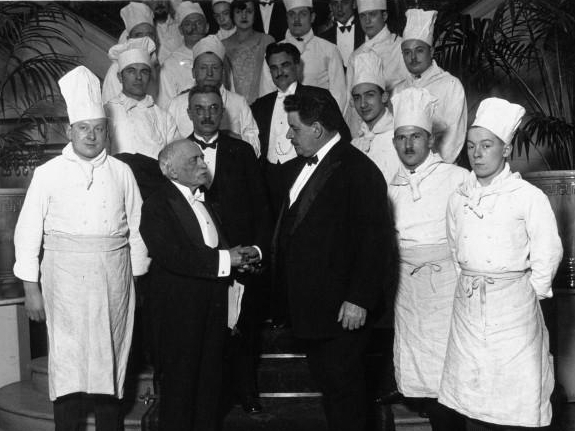
auguste_escoffier-_e-douard_herriot-_1928

Chef Georges-Auguste Escoffier (in the foreground on the left), who invented the culinary “brigade system,” photographed with French Prime Minister Edouard Herrio in 1928.

At the end of this introduction you’ll find a  short article that I wrote on the subject—it’s a topic that young cooks like to ask about, debate, and raise with me all the time.

Introduction:

For young cooks, there are posts that are really fun to write, there are posts that are important for me to write, and there are those for which I throw everything else aside in order to write, because I believe that I need to give cooks food for thought that will help them formulate their own paths—and of which they’ll use what is right for them alone.


Completely by coincidence, a few days ago I read a claim by a professional colleague of mine stating that the role of the chef is largely managerial. In other words: building and planning plates, explanation, putting things into practice, causing the people to become one united staff…but that the chef does not really cook—even people at home know how to do that.

I admit that it was very sad for me to read that.

If not for the concern that I have for the younger generation in the industry I would not immediately trouble myself with posting what came into my head as a result.


Everything that I write here is my personal opinion and no one has to agree with me. But I wanted to share with you, the younger generation, and you don’t have to accept or agree.


the following paragraph relates more the to country i am working now which is Israel but i am sure many young chef can find this situation in their country.

In the last few years, we’ve advanced exceptionally in the industry—magazines, cooking programs, awareness, professionals of the first degree, but…in one thing we have not progressed at all, and we’re even regressing (except for a few chefs that I really love and whose holy work I cherish in fostering a brilliant young generation). We have no sort of framework, mix, or way to educate the new generation of cooks, and one of the reasons is that many chefs or kitchen managers don’t have the ability or knowledge because they are busy building plates and giving orders instead of standing in the kitchen to cook, teach, explain, correct mistakes, or provide a solid foundation!!!!


Here are a few things to think about:


  1. I don’t know any chefs on the national circuit that do not cook; although it is true that the job is filled more with administrative and communication tasks and the frequency decreases, but everyone cooks.
  2. There is no connection in the approach  between your grandfather’s, grandmother’s, mother’s, or father’s kitchen and a professional kitchen. Without insulting anyone, leave those at home. Any connection between a home kitchen and a professional one is purely coincidental. (yes , maybe they inspired us but that as far as it goes unless you grandfather  was a chef and raised you in the professional kitchen)
  3. A chef who wants people to follow him has to lead by example, he needs to direct people, and he needs to know to correct mistakes by his cooks, and it is impossible for him to do that if he does not cook himself.
  4. To me, a chef also needs to clean, organize, teach, support, and be present for the staff, and more…I am sharing with you here an article that I wrote about a couple years ago that I hope will organize your thoughts a little bit on what it means to be a chef.


Again, no one has to agree with me but I will be sad if the young generation strives to be chefs who only stand around giving orders without touching the pots and pans.


Who and What is a Chef?

Always, I see, hear, and read remarks from the wider public and professionals in the field, commenting on or positing sentences like:

“What, that’s a chef?”

“Every idiot who wears white clothes calls himself a chef”

“He’s always on television, so when does he cook?”

“The guy didn’t even finish high school, and he calls himself a chef?”


And even more sentences of the same type!!

Let’s make some order out of the madness and indulge those who need it and those who don’t.


First of all, I take upon myself full responsibility to write as one who can call himself a chef. I think that you will all agree with me, at least according to my culinary path, that I’m a chef. I won’t necessarily write well, or badly, but that’s according to your judgment. At the very least, I’m allowed to write this article.


Short introduction:

I graduated from the “Infobo” culinary school in Brussels in 1993.

I worked in four restaurants over five years in Belgium, all of which at the time were awarded two or three Michelin stars.

I taught for three years at the prestigious “Le Cordon Blue” school in London full-time.

I was owner of a restaurant by the name of “Michael Andrew” for five years in Jerusalem; in 2005 I received a degree from the Belgian Chef Association.

Right now after serving as head chef and executive chef of several establishments in Israel and around the world , I am the executive  a chef of the Trattoria Haba in Jerusalem .

The goal of this list is not to brag, since that is the opposite of my nature, but so that you understand that I am very knowledgeable about what I am about to write.


First a few definitions:

“Chef”—the word chef in French derives from the Latin CAPUT, whose direct translation is “head.” The word “chef” is used for the following titles: Chef de police (head of police), Chef d’orchestre (leader of the orchestra), and more. In English, the definition still includes a professional who is a cook but not the head of a restaurant, thus many good people tend very quickly after the end of their studies to call themselves “chefs,” people who know how to cook and finished a culinary degree.


The title “chef” as we understand it today, acquired its definition in the 19th century when kitchen laws were instituted: the chef Augustus Escoffier, established the kitchen hierarchy that accompanies us until today.

This table depicts the kitchen hierarchy, from the chef (head) until the last apprentice cook. The word chef appears many times in the table in a number of categories, and here are a few of them:

Kitchen chef (chef de cuisine)

Saucier (chef saucier)

Pastry chef (chef patisierre)

And many more.

It should be noted that generally in the “proper world,” the kitchen chef passed through most of the units of the kitchen until he reached the level of chef. In the hotel world in Israel, this path is relatively common, while in the restaurant world in Israel, it can be said that this path is very rare, and I’ll explain further why that is.

In the hospitality industry, there is generally not much movement amongst the junior staff. This staff entered the hotel in order to have stable, consistent work, with the goal of reaching the job with the highest responsibility that can be attained.


In the restaurant world many  cook has no patience. He rushes and thinks that he already knows everything and wants to progress to the next phase, and FAST. In most cases, we’re talking about middling cooks and worse who think that their time has come to lead a kitchen, while at other times there are people with great skill that can lead a kitchen, even if they don’t have a lot of experience.

There is no global body or school that confers the title “chef.” Leading schools try to convey the message that they are conferring a culinary education, cookery studies and workshops to become more professional, but there are a number of global organizations that give the title “master chef,” or unions that unite chefs, generally based upon the achievements of the cook.


For example, in France, Germany, the United States, and more, there are organizations that are generally established by local chefs, which meet every year and decide whether to accept new members (a limited number each year).


A good cook who leads a good kitchen is generally called a “chef” by the community of chefs and the community of customers who appreciate his work.


I note here a few examples of types of cooks whom I explicitly allow myself to call “chefs,” and their cooking skill is not necessarily what leads me to call them such.


I knew one chef whose cooking skill, if I have to be honest, was not the best, but…he ran a very highly rated hotel kitchen, cared for his staff (of the sort you only see in the movies), from his sous chef to the last of the cooks, the kitchen ran like a swiss watch (like clockwork) and put out amazing dishes. Is he a chef? Definitely yes.


I knew a cook with enormous technical ability; not only was he an awesome cook, but he also had lots of knowledge about the history of the kitchen, technical ability above and beyond the regular, but…he did not know how to run a kitchen, he did not succeed in managing a restaurant, but he knew how to teach and knew how to prepare wonderful meals for small numbers of diners. Is he a chef? The answer is yes.


many of you i am sure know  chefs that did not learn in a formal way at all but  , their  route through a variety of kitchens endless curiosity and the journey they made  until they received a kitchen for them self. A place where he did not find an end to his path, but where they knew their  limitations and knew how to overcome them. a great example Heston  Blumenthal  Is he a chef? Of course all of you would agree with me that he is a chef.


In the army, during my  basic training , I would always wait for lunch. At that time they called him an “army cook” and if only I could remember his name, but what amazing food he prepared, and three times a day in large quantities! He had a sparkling-clean kitchen, and great team, Is he a chef? The answer is yes and even Escoffier would not disagree with me.


Is a television chef a chef?


Here the question again arises, what is his background and where does he come from—where did he begin? All of you will agree that Gordon Ramsay  and Wolfgang Puck are chefs of the first order. The two reached the world of television after years of hard work in the restaurant world and possess deep wells of knowledge. Today, many chefs want to get on television, thinking it will bring them fame and money, which is a flawed way of thinking. The result is that many cooks (all over the world), with middling cooking skills or worse (not always) but the ability to enchant the audience and to pass along certain information in a short period of time to the audience, reach the television screen and give a good “show.” However, are they chefs in my opinion? No! But what is true is that I appreciate them a lot for their ability to maintain a program that the public enjoys.


Personally, it doesn’t bother me that everyone who wears a white jacket calls himself a “chef.” At the end of the day, success speaks, and if the food is tastes good  and you left the restaurant satisfied and happy from a culinary perspective—then that person is a chef.


Thank you for reading

Michael



Posted in chef, Uncategorized | Tagged , , , , , , , , , | Leave a comment

Tip/Direction for the Young Chef: Pomme Soufflé (Potato Soufflé)


I would have never thought to post this topic for young cooks since I think there are more important things to learn.

However, because, more than once, cooks have come up to me and asked how to prepare pomme soufflé, including Tzvika, one of the most delightful cooks that we have on our team, and since it is present on the list of items that you need to learn, we’ve done the lesson early, and today my team learned how to make it.

Just to present an anecdote: in the years that I taught in culinary school( Le cordon Bleu – London ), there were a few lessons that all of the teachers were always a little anguished to present—and this was one of them. I admit that before the lesson I trained a lot and was very fussy about the type of potatoes I used, and I almost went in my pants!
In short:

We used russet potatoes, which are rich in starch—the older the potatoes (also means the drier they are), the greater the success,today we had  great luck with the potatoes  .
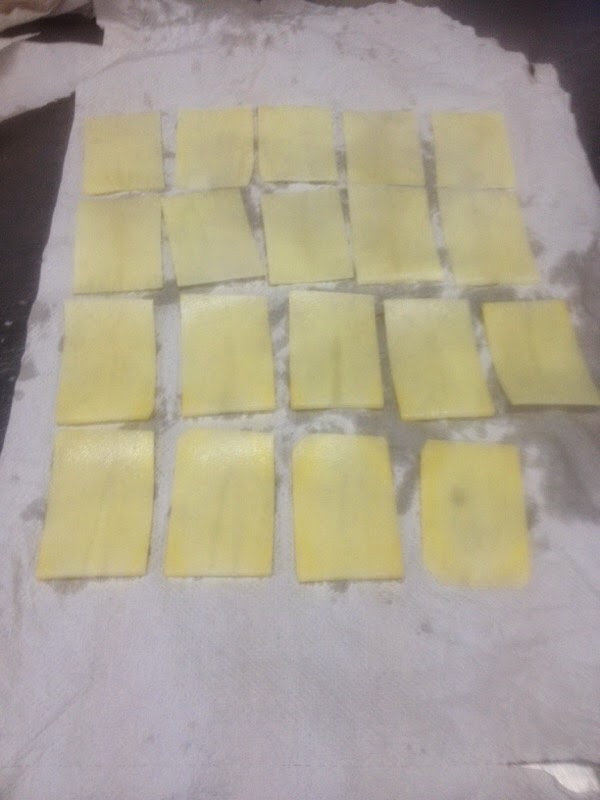
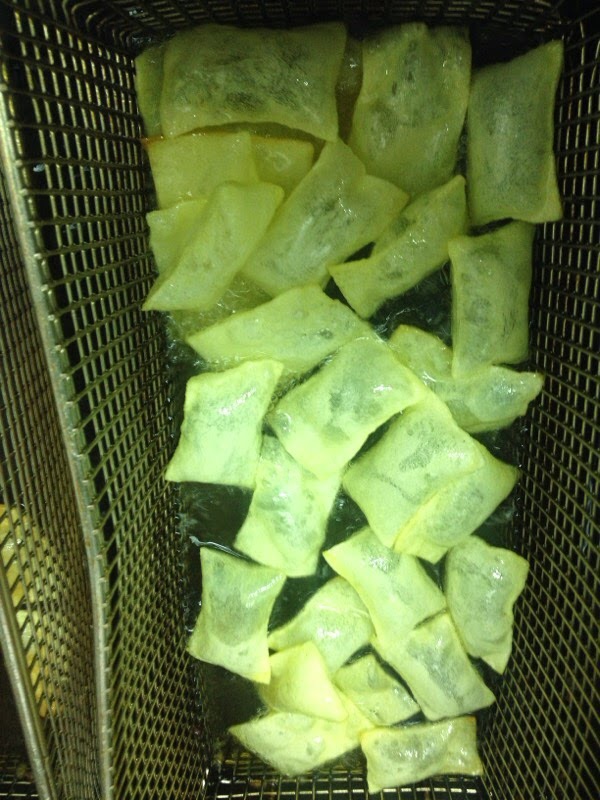
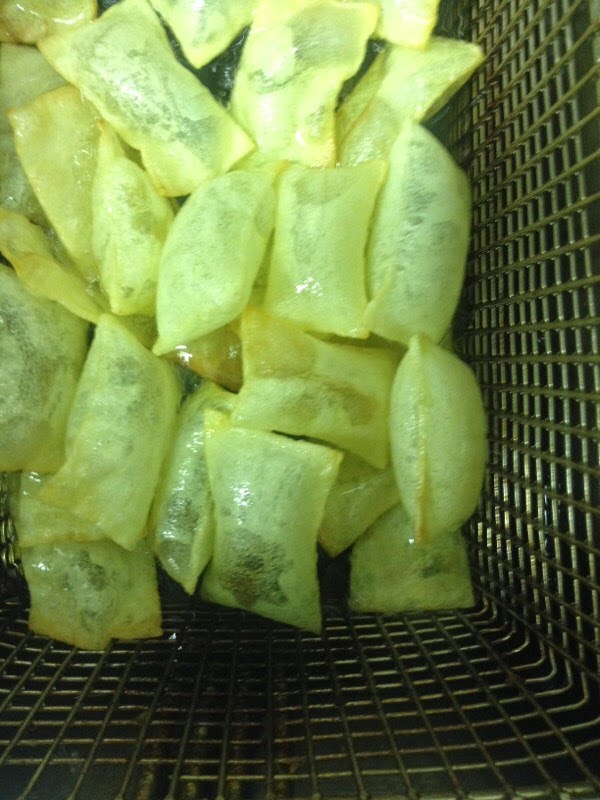
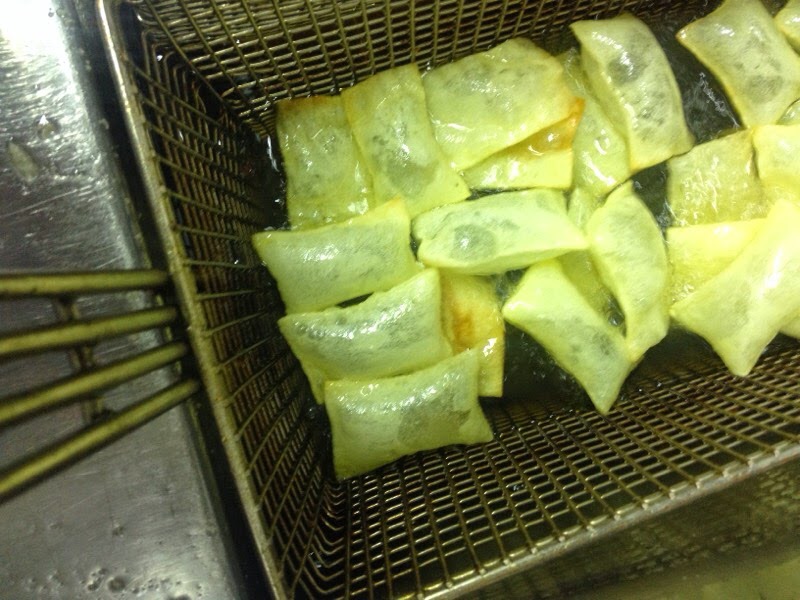
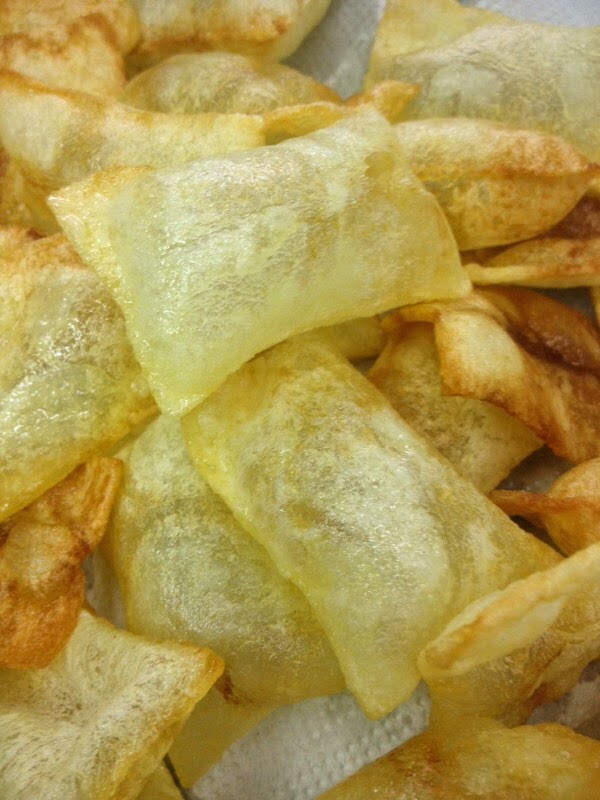
What we did: we cut the potatoes to a width and thickness of 3mm and dried them very very well. We took cold oil and cooked them for 15 minutes at a temperature of 150°C while shaking the pot gently in order to separate the potatoes from one another and to make sure that they were always covered with oil. When we noticed translucence and signs of slight swelling, we immediately transferred them to hot oil at 180°C and then the potatoes swelled really nicely.
What is nice about the whole process—you can save them after the second frying in the fridge and then fry them again—they’ll shrink and then swell up again.
Why that works: The first heating “mashes” up the inside of the potato (the cells burst, and water and air are confined between two thin layers that cause the potato to become elastic). The second frying causes the swelling—steam from the water and pressure from the air that wants to escape cause the potato to swell up.
Here is a link to a video to someone who is truly an a real master !!

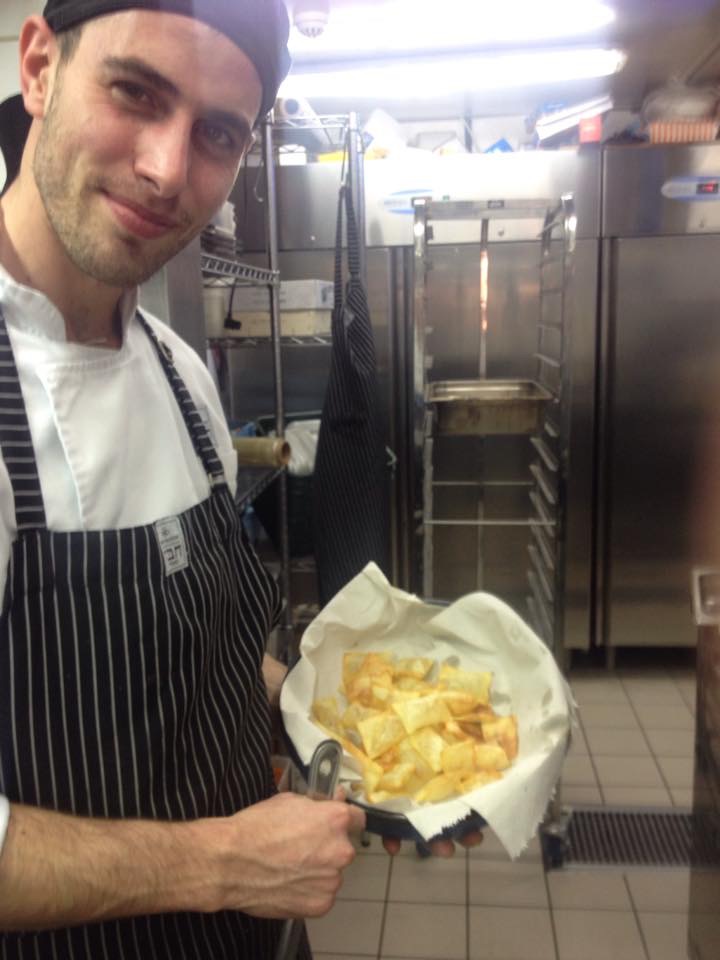
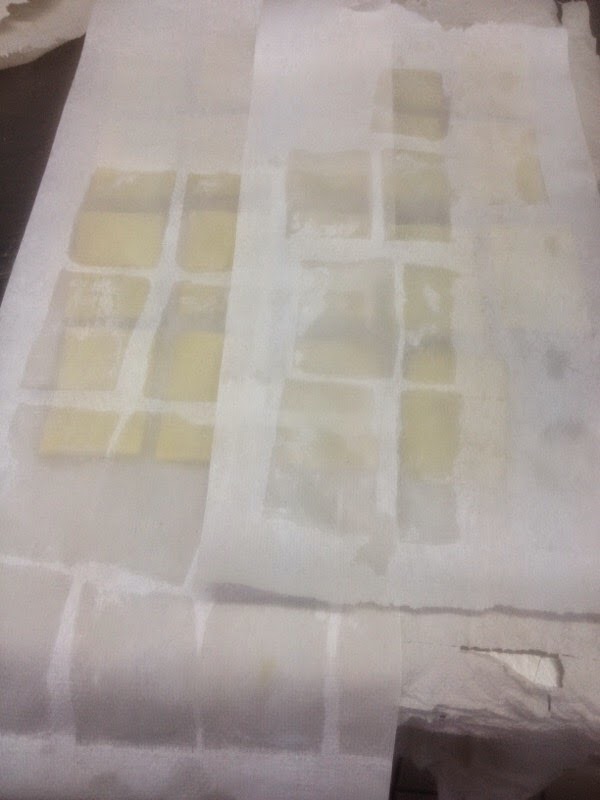
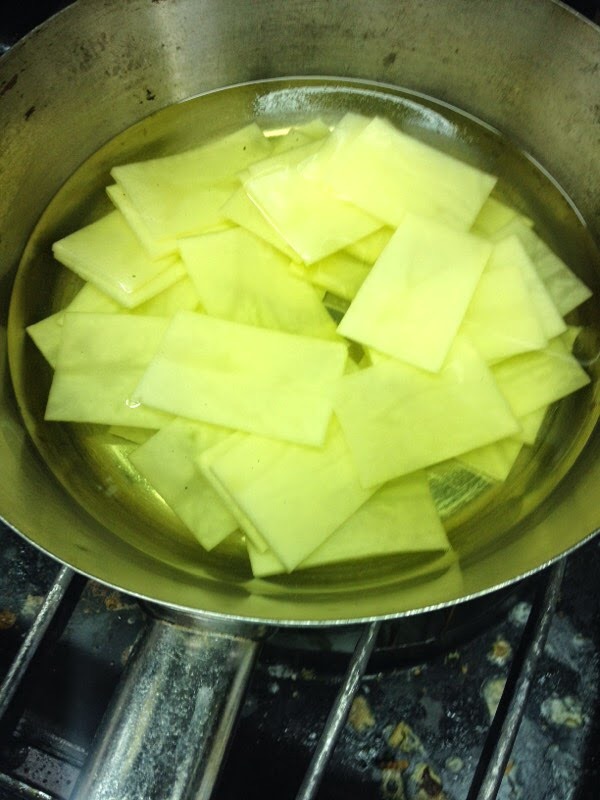
Here are some photo I made in the kitchen during the tutorial of my team in the order of preparation.


Posted in cooking, potatoes, Uncategorized | Tagged , , , , , , , , , , , , | 1 Comment

Tip / Guidance to the young chef – study case – the restaurateur prospective

Dear Young Cook—one day you’ll be a chef and you’ll manage the kitchen for a restaurant, a hotel, and more…so it’s a good idea to internalize the idea already that one of the best things for a chef is to connect with or work alongside a professional restaurateur, whether you’re at a restaurant or in a hotel and do not let your ego interfere.

Why? A chef sees and dreams of dishes , creations and who knows what else … the restaurateur sees the practical side of things and understands the public and restaurants needs.

Here is an excellent example of the restaurateur’s thought process (I’m sharing with you here a real event that I love to use):

In this case, the restaurateur is Ron Biala, with whom I worked alongside for a number of months while he managed Trattoria Haba and over all know very well for many years.

our place is a modern brasserie were along side great meals we sell also over the counter great bread made by our very own baker , Inon Haba.

The thought of the restaurateur: “I have an excellent baguette (and the public loves bread), and I have many different types of good cheese that are in my kitchen and that are used for cooking , garnishing etc,,. My goal: to promote the baguette, to create a constant movement of raw material and…to create an additional dish of great value that requires very little work and uses ingredients that are ready to use .

” The result is an impressive tray composed of items that accompany the baguette, which is easy to sell, looks amazing, and for which there is real profit.

for the chef: another item on is menu that makes it attractive, and no extra work or effort to deliver it.

For the observer looking on from the side, there is a plate of great cheeses, a wonderful warm baguette and in other words a great comforting treat.

And For the professional restaurateur, there is a dish that is easy to prepare and that the public connects with, pays for happily; along the way, the baguette is promoted, and raw material is properly utilized—and that is the correct way of thinking.

Thanks for reading,

Michael

img_9982

Posted in restaurant, restaurant management, Uncategorized | Tagged , , | Leave a comment

Tip/ guidance to the young chef – Sauce’s Texture “Nape”

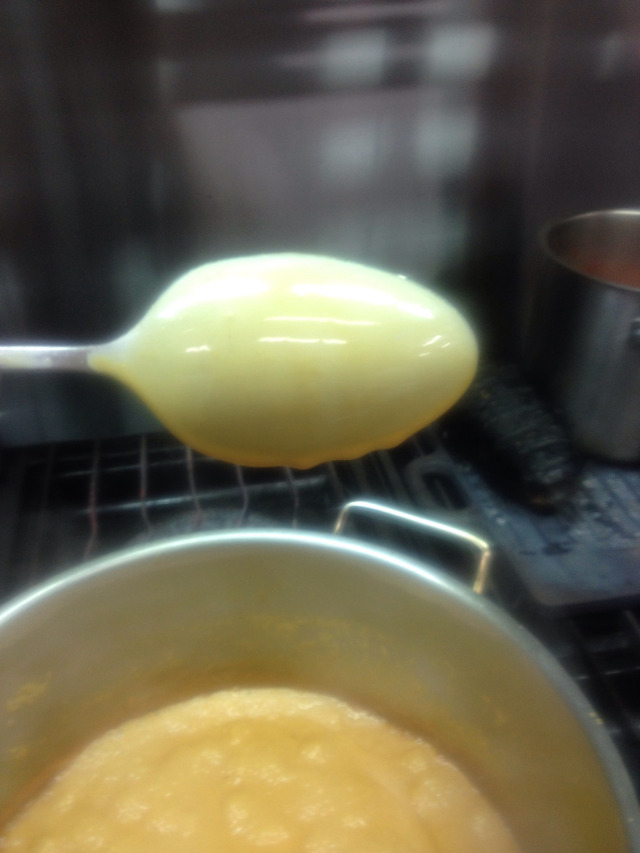
Young chefs have definitely heard of the concept of “nape,” but the matter is not always clear—the word’s origin and loose translation is to wrap or cover.

In a classic kitchen, a sauce that has a good texture is usually described as—nape.

How to check:

Simply dip a spoon into the sauce and if the sauce wraps or covers the back of the spoon well, it is at its ideal texture.

Of course, anyone can set for his/her own favorite consistency, either thicker or thinner.

But at least at the start of your journey, strive for “nape.”

img_4731

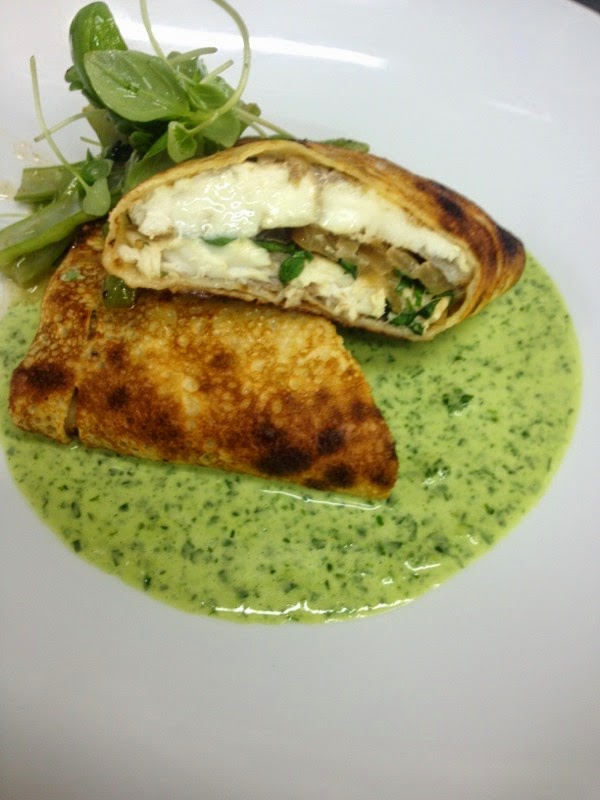
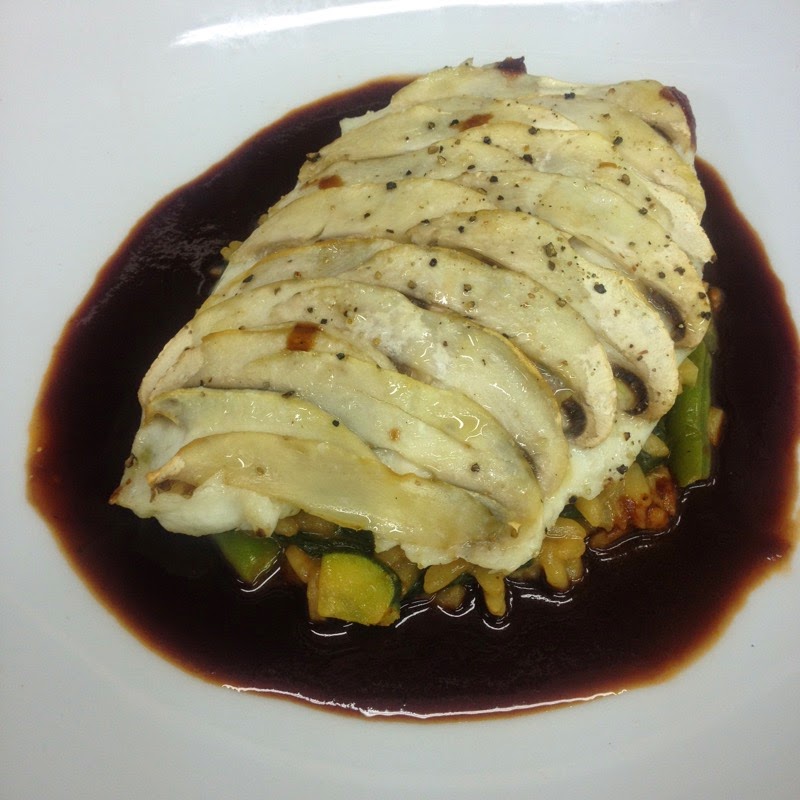
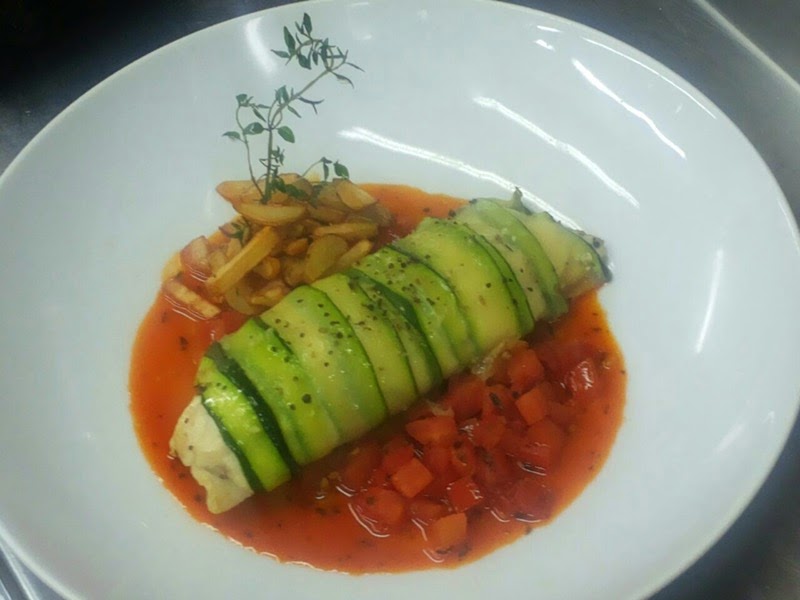
here are some photos of classic approach that will show you a sauces that “seats” well on the plate – they were all cooked to a “nape” consistence.

IMG_4001 IMG_4122 IMG_4138 IMG_5292 IMG_5529 IMG_5547 IMG_5711 IMG_5825 IMG_5839 IMG_5950

Thanks for reading,

Michael

Posted in cooking, sauces, Uncategorized | Tagged , , , , , , , , , , , , , | Leave a comment

Tip / Guidance for the young chef: On planning a menu and more…for young chefs

3

Generally, when I upload a new blog post for young chefs, it is because I have a momentary desire to share a topic that seems relevant or because young chefs have approached me about the topic.

The topic of building a menu and setting prices has arisen again and again, so here is a PowerPoint presentation that I prepared for my students many years ago at the Le Cordon Bleu school , you will notice that i have used the english pounds when explaining cost calculation , but you can adapt your local currency the logic is the same logic.

I hope that it will shed light on some points that have been raised repeatedly by young chefs.

hope you enjoy this presentation and benefit from it.

click here for the presentation- On planning a menu and more

thank you for reading

Michael

Posted in cooking, kitchen, menu planing, restaurant, Uncategorized | Tagged , , , , , , , , , , | Leave a comment